Top Online Casino Games to Explore in 2026: A Guide to Formats, Odds, and Play Styles
Choosing the best casino game is a personal decision, not a shortcut to winning. The right option depends on what you enjoy, how comfortable you are with uncertainty, how quickly you want rounds to move, and whether you prefer making decisions or watching outcomes unfold. A player who likes careful choices may gravitate toward poker or blackjack, while someone seeking simple, fast play may prefer roulette or a slot game. These differences affect the experience, but they do not remove the underlying chance involved.
Before playing, learn the rules and check the game’s published information. The house edge is the theoretical share of wagers a casino expects to retain over time; a lower edge generally means a smaller mathematical disadvantage, not a guarantee of better results in a particular session. Return to player, or RTP, expresses the theoretical percentage of wagers a game returns to players across a very large number of plays. These measures are useful for comparing options, but they describe long-run averages rather than what any individual will win or lose.
Volatility, sometimes called variance, describes how frequently and how substantially a game’s results may fluctuate. Lower-volatility games tend to produce more frequent, smaller outcomes, while higher-volatility games may have longer stretches without a payout and occasional larger results. Neither style is inherently better; consider which fits your budget and tolerance for swings. Read the rules, understand any special features, and set limits on both time and spending before you begin. Published odds cannot predict an individual session, and past outcomes do not make a future result due. Treat games of chance as paid entertainment, never as a way to earn income or recover losses. If a game stops feeling enjoyable or spending exceeds your plan, take a break or stop playing. A sound choice is one that suits your preferences while keeping expectations realistic and play within limits.
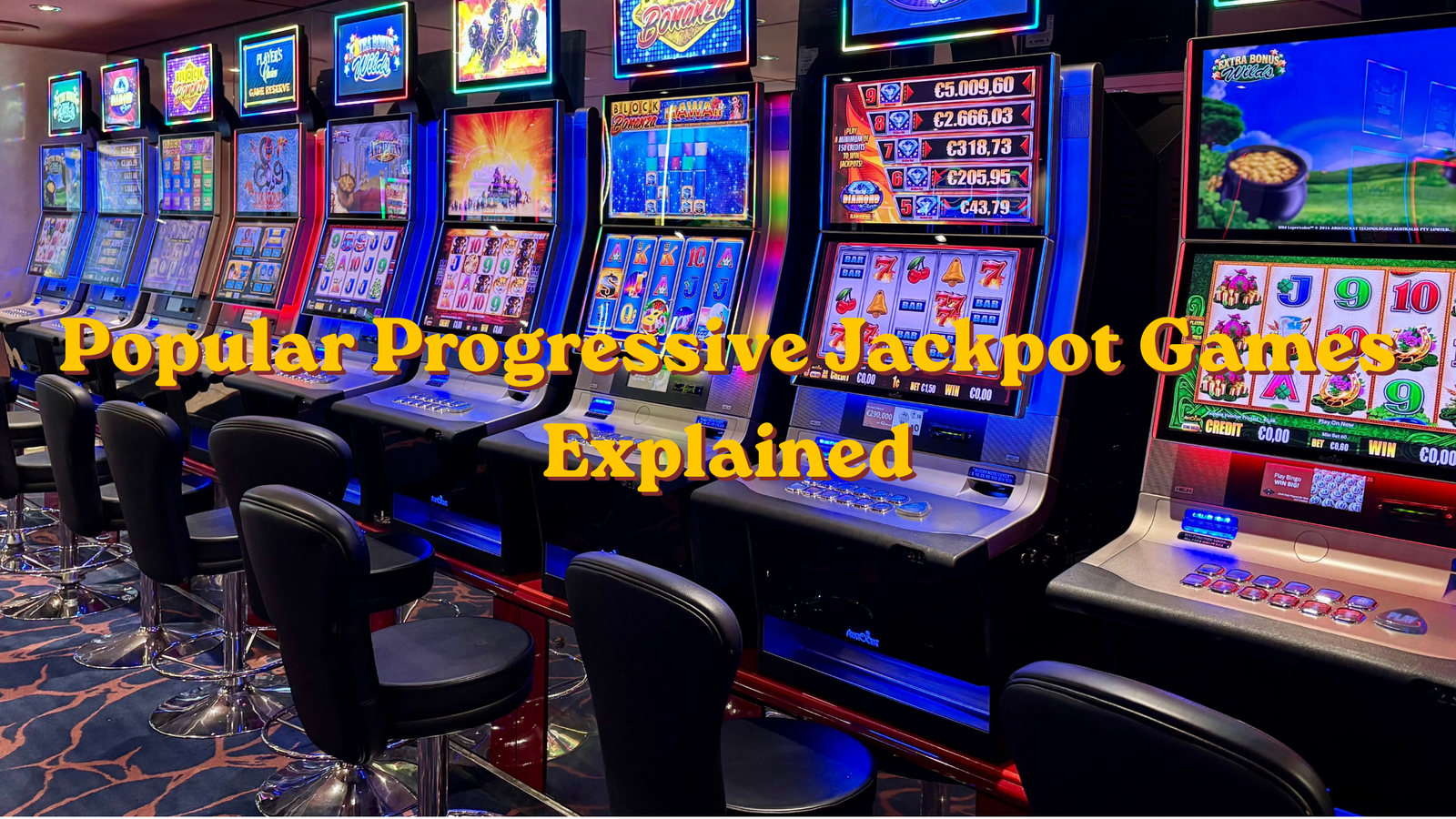
Online slots are built around symbols displayed on virtual reels, with wins determined by the game’s rules when a spin ends. Traditional formats use paylines: specific lines across the reels that pay when matching symbols appear in the required positions. Other games offer “ways to win,” where matching symbols on adjacent reels can form a winning combination across multiple positions, often without following a fixed line. The number of reels, symbols, and qualifying combinations varies, so the paytable is the clearest guide to how each title works. Themes and visual effects add variety, but they do not change the underlying rules.
Many slots include bonus features, such as free spins, expanding symbols, pick-and-reveal rounds, or multipliers. These features are triggered according to the game’s design and may have separate rules or eligibility requirements. Progressive jackpots work differently from fixed prizes: a jackpot pool can grow as wagers contribute to it, and the prize is generally awarded when specified conditions are met. Not every slot has a progressive prize, and jackpot eligibility may depend on the stake or bet level. Players should check the game information to understand what activates a feature and what wagers qualify.
Volatility describes how payouts tend to be distributed, rather than predicting what will happen in a particular session. Lower-volatility games typically deliver wins more often, with smaller potential payouts, while higher-volatility games may produce less frequent wins but offer the possibility of larger ones. Neither format guarantees a return, and recent results do not make a particular outcome more likely. Before choosing a best casino game for personal preferences, review its return-to-player (RTP) information, paytable, available wager range, and any bonus conditions. RTP is a long-term theoretical measure, not a promise of what an individual will receive. Set a spending limit, treat play as entertainment, and avoid choosing a slot based on its theme or a belief that it is “due” to pay out.
Blackjack is a card game built around a straightforward objective: finish with a hand value closer to 21 than the dealer’s hand, without exceeding 21. Number cards count at face value, face cards count as 10, and an ace usually counts as either 1 or 11, depending on which value benefits the hand without causing a bust. A two-card total of 21 is commonly called a blackjack, though payouts and rules for this hand can differ between games. These simple goals leave room for meaningful decisions, making blackjack a strong candidate for the best casino game for players who enjoy combining chance with calculated choices.
After receiving cards, players may choose to hit, taking another card, or stand, keeping their current total. A player may also double down, typically increasing the original wager in exchange for receiving one additional card; the conditions for doubling vary. When the first two cards have the same rank or value, some versions allow a split, creating two separate hands with an additional wager. Each option carries potential benefits and risks. For example, hitting can improve a low total but may push a high one over 21. The appropriate choice depends on the player’s hand, the dealer’s visible card, and the rules in force.
Those rules are not identical across blackjack tables. The number of decks, whether the dealer must or may draw on a soft 17, and restrictions on doubling or splitting can all affect the game’s house edge. A soft 17 contains an ace counted as 11, so dealer behavior on this total can be particularly relevant. Players comparing online blackjack games should check these details, along with blackjack payouts, before choosing a table. Basic strategy provides a mathematically informed guide to common decisions, using the player’s cards and the dealer’s upcard to recommend actions. Following it can reduce avoidable mistakes and improve the player’s expected outcome over time, but it cannot eliminate variance or remove the casino advantage. No strategy guarantees a win in an individual hand or session.
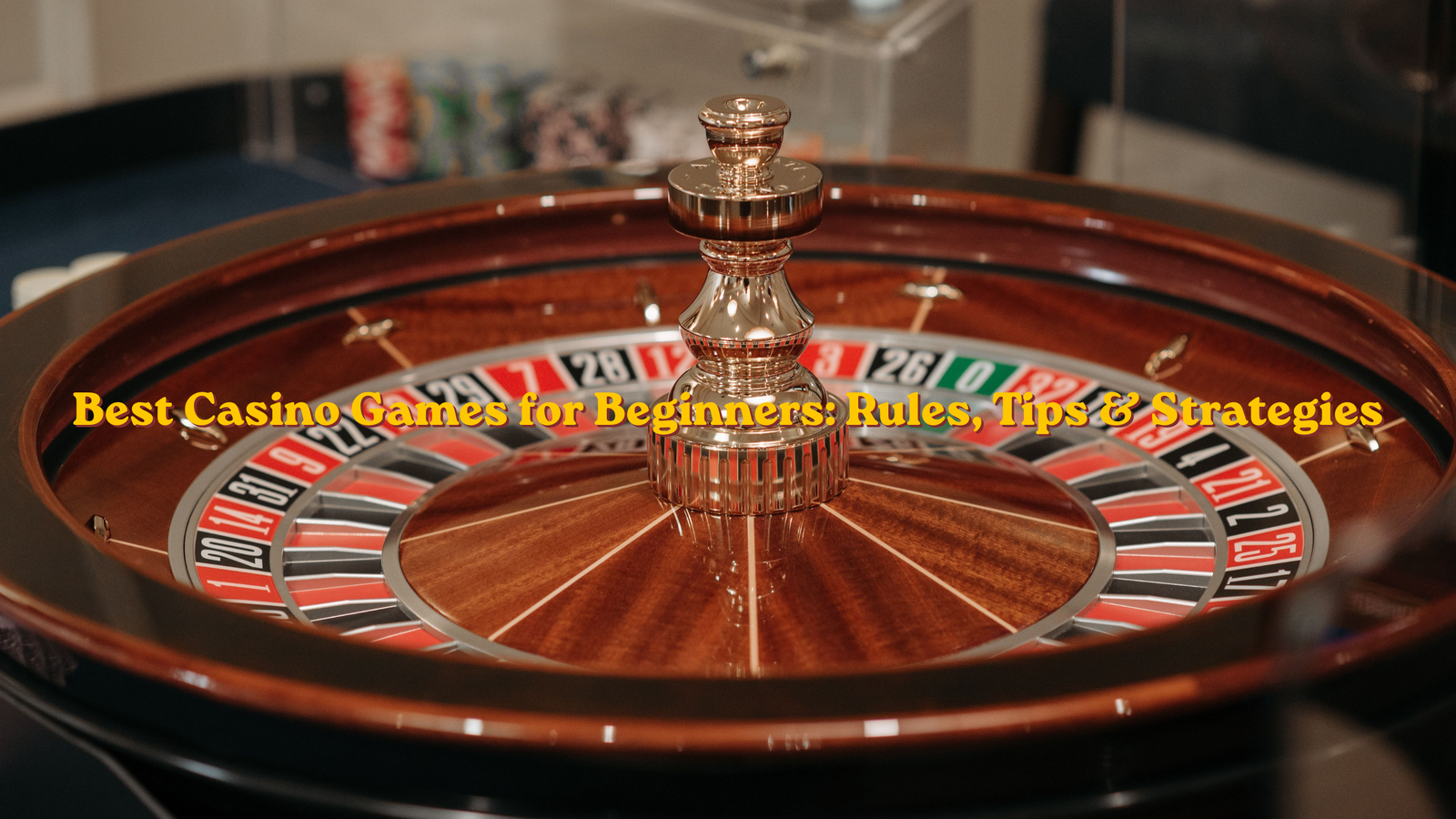
Roulette is built around a spinning wheel and a betting layout. Players choose where to place chips before the wheel spins, then a ball lands in one numbered pocket. The winning result is determined by that pocket, and payouts depend on the selection. Roulette can suit different preferences because bets range from narrowly targeted choices with larger potential returns to broader choices that win more often but pay less. For anyone comparing the best casino game options, understanding this relationship between probability and payout is more useful than relying on a betting pattern.
Inside bets are placed on specific numbers or small groups of numbers, such as a single number, a pair, or a row. These choices cover fewer possible results, so they have lower probabilities of winning and generally offer higher payouts when successful. Outside bets apply to broader outcomes, including red or black, odd or even, and low or high numbers. They cover more pockets and therefore tend to win more frequently, but their payouts are smaller. A zero can affect several outside bets, so a result that appears close to a win may still lose.
European roulette has a single zero, while the standard American wheel has both a zero and a double zero. Because the additional pocket creates more outcomes that favor the house, American roulette generally has a higher house edge than European roulette. The precise probability and payout depend on the bet selected, as well as the wheel variant; players should check the table rules before wagering. Betting systems, such as increasing a stake after a loss or alternating bet sizes, do not alter the wheel’s probabilities or reduce the mathematical house edge. They cannot guarantee a profit and may lead to larger losses, particularly when table limits or a player’s budget are reached. Setting a spending limit and treating each spin as independent can help keep play within planned boundaries.
Video poker brings a card format to digital casino play online. Instead of competing against other players, the user plays a hand against a preset paytable. A round typically begins with five cards dealt from a virtual deck. The player selects which cards to hold, then discards the rest and receives replacements. The resulting five-card hand is evaluated for poker combinations, such as a pair, a straight, or a flush. This combination of chance and choice gives the format its appeal.
Different versions can change both the cards and the winning conditions. Jacks or Better pays for a pair of jacks or higher, while Deuces Wild treats twos as wild cards that may complete stronger hands. These rule differences shape the available decisions and the awards. Before playing, review the game’s paytable: it lists qualifying hands and payouts, including any bonus for rare outcomes. Small paytable changes can affect returns over time.
A paytable is therefore central to comparing games, not merely a display of prizes. Two titles with similar names may reward hands differently, and a variant can have multiple paytable versions. The return reflects long-run expectations under stated assumptions; it does not predict the outcome of a session. Players seeking the best casino game for their preferences may consider rules, payout structure, pace, and how much decision-making they enjoy before choosing.
Strategy charts offer guidance on which cards to keep for hands. They are usually based on a specific variant and paytable, so advice should match the version being played. Such references can help players make consistent choices, but they do not remove uncertainty. Each draw remains subject to chance, and correct decisions cannot guarantee a win or a favorable result. Set a budget and time limit, and treat play as entertainment rather than income.
Baccarat is often considered a best casino game for players seeking a quick round and a small set of clear betting choices. In its familiar format, two hands are dealt: Player and Banker. Before the cards are revealed, participants may wager on which hand will finish with a total closer to nine, or choose a Tie if both totals match. The names describe the two hands in the game; they do not mean that a participant controls the Player or Banker hand, makes decisions for it, or plays against another person at the table. The dealer follows the game’s dealing procedure, while players select a bet and observe the outcome.
Card values are straightforward: cards numbered two through nine count at face value, tens and face cards count as zero, and aces count as one. When a hand’s total exceeds nine, only its final digit counts, so a total of 15 is treated as five. Unlike games in which players choose whether to draw, baccarat uses fixed drawing rules. Those rules determine whether either hand receives another card based on the totals and, in some cases, the Player hand’s third card. The exact procedure can feel detailed, but players generally do not need to make drawing decisions during a standard round.
The main bets differ in their typical house edge. In common versions, the Banker wager usually has the lowest edge, though casinos often collect commission on winning Banker bets. The Player wager typically has a slightly higher edge and commonly pays even money. Tie wagers may offer a larger payout, but their house edge is generally much higher, and the precise figure depends on the payout offered. These comparisons are broad rather than universal: decks, rules, payouts, and commission arrangements can vary by table or online game. Before wagering, check the specific game rules, Tie payout, and any Banker commission so the displayed odds are clear. Understanding these details helps players compare baccarat formats without assuming that every table uses identical terms.
Craps is a fast-moving dice game whose activity centers on the shooter’s roll. Players can place wagers on different outcomes, but the Pass Line and Don’t Pass bets offer relatively accessible starting points. A Pass Line bet generally wins if the shooter rolls a 7 or 11 on the opening throw, called the come-out roll, and loses on 2, 3, or 12. A Don’t Pass bet typically reverses those outcomes, although a roll of 12 is usually a push. These basic wagers help newcomers follow the action before exploring the table’s broader range of options.
If the come-out roll produces 4, 5, 6, 8, 9, or 10, that number becomes the point. The shooter then rolls again until either the point appears a second time or a 7 is rolled. Pass Line wagers win if the point is made first; Don’t Pass wagers usually win if 7 appears first. This sequence gives the main bets a clear structure: the opening roll establishes the conditions, and later rolls determine which side prevails. Casino rules and specific payouts can vary, so checking the posted information is worthwhile.
The table also offers numerous side bets, including wagers on particular combinations or on what may happen during a limited number of rolls. Their rules, payouts, and odds differ, and some are more complex or less favorable than the main bets. The variety can make craps feel like a best casino game choice for players who enjoy social energy and many decisions, but a crowded layout is not a reason to wager on every option. Before playing, learn a small set of rules, identify the bets you understand, and review the table layout and paytable. Set a budget in advance, and treat each wager as entertainment rather than a reliable way to earn money.
Poker differs from most casino banking games because participants compete against one another rather than simply wagering against the house. A player’s result can depend on the cards dealt, decisions made during each hand, and how opponents behave. Reading betting patterns, choosing when to fold or raise, and managing a limited bankroll all contribute to the experience. Luck remains significant, especially over a small number of hands, but strategic choices can influence outcomes over time. For anyone comparing options to find the best casino game for their preferences, poker may appeal to those who enjoy competition and decision-making.
Casino banking games follow a different structure. In live-dealer blackjack, players generally try to beat the dealer’s hand while following the variant’s rules; in roulette, wagers are placed on outcomes such as a number, color, or range. The casino sets the terms, and the house edge is built into the game’s probabilities. Live-dealer formats present these games through a video stream, often with a human dealer managing cards, a wheel, or other equipment. Chat features and real-time decisions can make the session feel more social than an automated game.
That presentation does not change the underlying rules, probabilities, or house edge. Before playing, review the exact variant, including table limits, payout rules, and any special procedures. Poker players should also check whether a game charges a fee or rake, how that charge is calculated, and whether it varies by format or stakes. Beginners may prefer lower limits, slower tables, or simpler variants while learning; experienced players may seek different levels of competition. Choosing a format that matches your familiarity, budget, and preferred pace can help make play more informed. Set limits in advance, and treat gambling as entertainment rather than a way to earn income.
Choosing a game begins with more than a theme or attractive interface. Before playing, read its rules and paytable, including how winning combinations are formed, whether special features change payouts, and any minimum or maximum stakes. These details clarify the pace and complexity of play. If reliable information is available, compare the stated house edge or return-to-player figure across similar games. Such figures describe long-run probabilities, not a promise about an individual session; actual results can vary widely. Consider whether the format suits your preferences, such as strategic decisions, quick rounds, or slower play. The best casino game for one person may not fit another.
Set an entertainment budget before you begin and choose stakes that fit within it. Treat this amount as money you can afford to lose, rather than funds needed for bills or savings. Free-play modes can help you learn controls, rules, and game mechanics without risking money, although they may not fully reflect the experience of wagering real funds. Set a time limit as well as a spending limit, and use reminders if needed. Take regular breaks to keep play in perspective. Do not borrow to gamble or try to recover losses by continuing to play; neither strategy makes an outcome more predictable.
Before signing up or depositing, check the laws that apply where you live. If gambling is legal, use only operators licensed by the appropriate authority, and review their terms, payment conditions, and available player-protection tools. Consider using deposit, loss, or session limits where offered. Gambling should remain recreational, and it is reasonable to stop if it becomes stressful or interferes with everyday life. If you find it difficult to stick to limits, are hiding play, or feel compelled to continue, pause and seek support from a trusted person or a qualified gambling-support service. Asking for help early can make it easier to regain control.

Blackjack Fundamentals: How the Game Works and How to Play Smarter
Top Casino Games for New Players: Essential Rules and Strategies
Understanding Popular Progressive Jackpot Games
About The Author
