Slots vs. Table Games: Choosing Your Ideal Casino Experience
Introduction to Casino Games
Casino games are a fascinating realm of entertainment, providing players with a variety of options to engage in and potentially win big. The world of casino gaming can generally be categorized into two primary types: slots and table games. Each category has its unique appeal, rules, and strategies, which cater to different preferences among gamblers.
Slots, also known as slot machines or fruit machines, are among the most popular casino games available. They are characterized by their simple gameplay and the excitement of spinning reels, which can lead to significant payouts with just a single pull of a lever or push of a button. The allure of slots lies in their vibrant graphics, diverse themes, and the potential for large jackpots. Many players are attracted by the prospect of hitting a substantial payout, often driven by progressive jackpots that increase with each bet placed.
Conversely, table games encompass a range of traditional card and dice games that require a deeper understanding of strategy and skill. Popular table games include blackjack, poker, roulette, and craps. These games often attract players who enjoy a more interactive experience, as they may involve social interaction with other players and dealers. The strategic elements of table games can lead to engaging sessions that emphasize skillful decision-making, providing a distinct contrast to the chance-based nature of slots.
As we delve deeper into the realm of casino gaming, it is essential to recognize the diverse experiences that both slots and table games offer. Understanding the nuances of each category will help players make informed decisions regarding their preferred gaming style, whether they seek the thrill of spinning reels or the strategic deliberation at a table. This overview sets the stage for a comprehensive exploration of the differences and advantages of slots and table games, ensuring players can choose their ideal casino experience.
Understanding Slots: Features and Mechanics
Slot machines, an integral part of the casino experience, are known for their appealing design and straightforward mechanics. These games attract players with a variety of themes ranging from classic fruit symbols to cinematic adventures, enhancing the overall appeal. The basic structure typically consists of reels, symbols, and paylines, where players aim to match symbols across the reels to win prizes.
The mechanics of slot machines have evolved significantly over time. Traditional slots operated on mechanical levers and spinning reels, creating a tactile and nostalgic experience. Modern video slots, however, utilize digital interfaces, opening the door for interactive features, immersive graphics, and dynamic sound effects. This evolution introduces players to advanced gameplay elements such as multiple paylines, bonus rounds, and free spins, creating an engaging yet unpredictable experience.
Payout structures in slot machines are another critical aspect. Each machine is programmed with a return-to-player (RTP) percentage, indicating the average return over time. While some slots offer higher RTP rates, the variance in payouts can vary significantly. High variance slots might provide less frequent wins, but when they do, the rewards can be substantial, whereas low variance slots offer more consistent, smaller payouts. The randomness of slot results is governed by a random number generator (RNG), ensuring that each spin is independent and fair, heightening the excitement and unpredictability.
As players engage with various slot machines in a casino, understanding these features and mechanics is essential. Different types of machines cater to diverse preferences, whether players seek the thrill of chasing a jackpot or prefer theme-driven experiences. Ultimately, the appeal of slots lies in their unique combination of design, mechanics, and the engaging gameplay they offer, making them a staple in the realm of casino entertainment.
The Allure of Table Games
Table games represent a significant aspect of the casino experience, attracting players with their blend of strategy, skill, and chance. Unlike the more straightforward slots, table games such as poker, blackjack, and roulette offer an interactive environment that can significantly enhance player engagement. Each of these games has its own unique set of rules and strategies, allowing players to immerse themselves in the gameplay and often develop a sense of community with fellow gamblers.
One popular choice among gamblers is poker, a game that not only tests luck but also strategies based on psychology and probability. Players are required to make crucial decisions such as when to fold, call, or raise, depending on their hand and their read on opponents. This level of interaction creates a dynamic atmosphere, as players must adapt their strategies in real-time, often leading to intense competition and social interaction.
Blackjack, another widely admired table game, is celebrated for its strategic component. In blackjack, the objective is to beat the dealer’s hand without exceeding a total of 21. Players can influence the outcome through smart decisions such as hitting, standing, or doubling down. This decision-making process adds a layer of complexity that enhances the thrill of the game and requires players to have a solid understanding of basic strategy, which ultimately can affect their odds of winning.
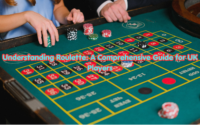
Roulette, on the other hand, combines chance with a more straightforward experience. Players place bets on where they believe the ball will land on the spinning wheel, with numerous betting options available that can lead to various payouts. While it may lack the strategic depth of poker or blackjack, the anticipation of the spin offers a different kind of excitement that captivates many casino-goers.
Overall, table games provide a distinctive allure that sets them apart from slots. The combination of strategy, skill, and player interaction creates a unique and engaging atmosphere that appeals to a wide range of players looking for a dynamic casino experience.
Comparing Odds: Slots vs. Table Games
When it comes to choosing between slots and table games, understanding the odds of winning is crucial for informed decision-making. The odds can significantly impact a player’s overall experience and potential return on investment. One of the key metrics to consider is the Return to Player (RTP) percentage, which represents the average amount of money a player can expect to win back over time from a game. Generally, slots have a wide range of RTP percentages, typically ranging anywhere from 85% to 98%. This variance reflects the diverse styles of slots available, including classic, video, and progressive jackpot machines.
On the other hand, table games usually offer more favorable RTPs. For example, blackjack can have an RTP of over 99% when played with optimal strategy. Other games like baccarat and certain variations of poker also tend to provide high RTP percentages. Understanding these figures can help players make informed choices that align with their gaming strategies.
In addition to RTP, the house edge is another critical factor influencing player decisions. The house edge refers to the percentage of each bet that the casino expects to keep over time. In slots, the house edge can vary widely, often falling between 2% and 15% depending on the game and the casino. Comparatively, table games generally feature a lower house edge. For instance, in roulette, the house edge is around 5.26% for American roulette, while in European roulette, it drops to approximately 2.7%. This lower house edge in table games suggests that players may have a better chance to win over time, depending on their skills and knowledge of the game.
Ultimately, both slots and table games offer unique advantages and incorporating odds, RTP, and house edges into their decision-making process can empower players to choose their ideal casino experience effectively.
Social Interaction in Gameplay
When evaluating the differences between table games and slots, the social interaction element plays a pivotal role in shaping the overall gaming experience. Table games, such as poker, blackjack, and roulette, inherently foster a dynamic environment populated by live participants. Players not only engage with the game itself but also interact with each other, sharing strategies, celebrating wins, and commiserating losses. This camaraderie can enhance the enjoyment of gambling, making it a more communal activity.
In contrast, slot machines typically operate on a more solitary basis. While players can find adjacent machines and share the excitement of a jackpot being hit nearby, the interaction is largely limited. The focus is primarily inward, as players concentrate on their own screens, perhaps tapping buttons or pulling levers in isolation. However, many modern casinos have begun to integrate features such as linked slot machines that allow players to share experiences or compete against each other, albeit still lacking the direct human interaction present in table games.
Dealer interaction is another vital aspect of table games, where a skilled dealer not only runs the game but can also engage players in conversation, provide guidance, and enhance the atmosphere. A friendly dealer can influence the pace and enjoyment of the game, making it more entertaining and less intimidating for newcomers. This personal touch is somewhat absent at slots, where interactions are often limited to casino staff providing assistance or troubleshooting mechanical issues.
Overall, the environment within which players engage is crucial. Table games are often set in areas designed for social interaction, sometimes featuring elevated seating and more space for group play, while slot areas may be more focused on individual experiences. Recognizing these differences can assist players in choosing the gaming format that best aligns with their preferences for social interaction during their casino experience.
The Role of Skill vs. Luck
One of the most critical factors distinguishing casino games is the balance of skill and luck involved, which impacts players’ experiences and outcomes. In the realm of gaming, table games and slot machines present fundamentally different approaches to this balance.
Table games, such as poker, blackjack, and baccarat, inherently require a degree of strategic thinking and skill. Successful players must understand game rules, employ tactics to maximize their odds, and often engage in psychological warfare with opponents. This skill-based approach means that while chance still plays a role—such as the shuffle of the cards or the roll of the dice—players can exert significant influence on the game’s outcome through informed decision-making. Mastery of strategies, such as counting cards in blackjack or bluffing in poker, can result in a substantial edge over less experienced opponents.
Conversely, slot machines are predominantly luck-driven. The outcomes of slot spins are determined by random number generators, making it impossible for players to influence the result through skill or strategy. While knowledge of the game’s mechanics, such as understanding pay lines and bonuses, can enhance the enjoyment and potential payout, it does not change the fundamental luck-based nature of the game. Players approach slots with the understanding that winning is largely a matter of chance, which can make for a different kind of thrill compared to the tactical depth found in table games.
Ultimately, the choice between slots and table games often comes down to a player’s personal preferences regarding skill and luck. For those who enjoy exercising strategy and competition, table games may provide a more engaging experience. In contrast, players seeking a more relaxed and chance-driven encounter may prefer the spinning reels of slot machines.
Budgeting Your Casino Experience
When visiting a casino, effective budgeting is essential for an enjoyable gaming experience, whether you prefer slots or table games. Establishing a clear budget helps to manage both time and money, allowing players to engage responsibly without excessive financial risk. A well-planned bankroll management strategy can vastly improve your overall casino experience.
For slot enthusiasts, it is important to decide how much you are willing to spend before entering the casino. Slot machines often offer varying denominations, so understanding your budget can help determine which machines you can afford to play. Setting a limit on the amount to spend on slots will prevent overspending and potential regret. Many players may find it beneficial to utilize smaller bets on numerous spins, thereby extending playtime while maintaining excitement.
In contrast, those who prefer table games need to consider the typical betting structures associated with games such as blackjack, poker, or roulette. Table games usually have higher minimum bets compared to slots, making it critical to establish a budget that accommodates these amounts. Furthermore, understanding the different betting strategies involved in table games can lead to better overall bankroll management. Players should familiarize themselves with strategies such as the Martingale or Flat Betting approaches, which may yield distinct financial implications based on their chosen game.
Ultimately, the key lies in finding a balance between your budget and your gambling preferences. By managing your bankroll effectively and setting realistic expectations for both slots and table games, you can enhance your casino experience while minimizing financial strain. Evaluating the financial implications of choosing either game type can further aid in developing a sound betting strategy that aligns with your entertainment goals.
Trends and Innovations in Casino Gaming
The landscape of casino gaming is undergoing rapid transformation driven by the latest trends and technological innovations. One of the most significant advancements is the rise of mobile gaming, which has enabled players to enjoy both slots and table games from the convenience of their smartphones or tablets. As internet speeds continue to improve, mobile platforms are becoming increasingly sophisticated, providing high-quality graphics and seamless gameplay that competes with traditional gaming formats.
Additionally, live dealer games have emerged as a popular choice among online casino enthusiasts. This innovation recreates the authentic atmosphere of a physical casino by allowing players to interact with real dealers via live streaming. These games cover a wide range of options, including blackjack, roulette, and baccarat, bridging the gap between the online and land-based gaming experience while ensuring a social component is maintained.
Emerging game styles also play a crucial role in reshaping the casino environment. Game developers are constantly experimenting with new themes, storylines, and mechanics that appeal to a diverse audience. This includes gamification elements such as reward systems and achievements that enhance player engagement. For instance, progressive jackpots have become increasingly popular in slots, providing players with the chance to win substantial payouts by linking individual machines across multiple locations.
Moreover, the integration of virtual reality (VR) and augmented reality (AR) technologies holds promise for the future of casino gaming. These technologies can create immersive experiences, allowing players to enter virtual casino worlds where they can interact with environments and other players like never before. As these trends continue to evolve, it is evident that both slots and table games will adapt, enhancing the overall gaming experience for all enthusiasts.
Conclusion: Finding Your Perfect Game
As we come to the end of our exploration into the world of casino gaming, it is essential to reflect on the key aspects of slots and table games. Both forms of entertainment provide unique experiences that can appeal to various player preferences and styles. Understanding these differences can significantly enhance your overall gaming experience.
Slots, with their ease of play and fast-paced nature, often attract those who seek a more casual form of gambling. They offer a wide variety of themes and jackpots, making them highly engaging for players who enjoy entertainment and a chance at winning big with minimal effort. The accessibility of slots can be particularly appealing to newcomers who may find the complexities of table games daunting.
On the other hand, table games such as blackjack, poker, and roulette offer a more strategic gaming experience. Players may find enjoyment in the skill and decision-making elements that these games involve. For those who appreciate interaction and socialization, table games often provide an environment that fosters camaraderie among players, as well as opportunities to engage directly with the dealer.
Ultimately, the choice between slots and table games comes down to personal preferences, gaming styles, and budget considerations. Players who prefer a quick and simple gaming session may lean towards slots, while those seeking depth and strategy might favor table games. Regardless of your choice, it is crucial to approach either form of gaming with a clear understanding of your limits and enjoy the experience responsibly.
In summary, weighing the various attributes of slots and table games can help you find your ideal casino experience. Whether you are exploring the vibrant world of slots or the strategic nuances of table games, both avenues offer thrilling and memorable moments in the gaming realm.

Exploring the Best Table Games at UK Online Casinos

Free Spins vs. Casino Bonuses: Which Option Offers More Value?
Understanding Roulette: A Comprehensive Guide for UK Players
About The Author
